How Often Should You Buy Coffee?
If you care about great coffee at home, one question comes up again and again: how often should you actually buy coffee?
You’ve probably heard that coffee should always be “fresh,” but what does that really mean? Should you buy coffee every week? Every month? And does it matter whether you’re buying whole beans or ground coffee?
The truth is, coffee freshness is more nuanced than simply buying the newest bag possible. The best buying schedule depends on how quickly you drink coffee, how it’s stored, whether you grind it yourself, and whether you prioritise value or variety.
In this guide, we’ll break down how coffee freshness actually works, how to calculate how much coffee you need, and how to find the buying rhythm that keeps every cup tasting its best.
Why Freshness Matters (and What “Fresh” Really Means)
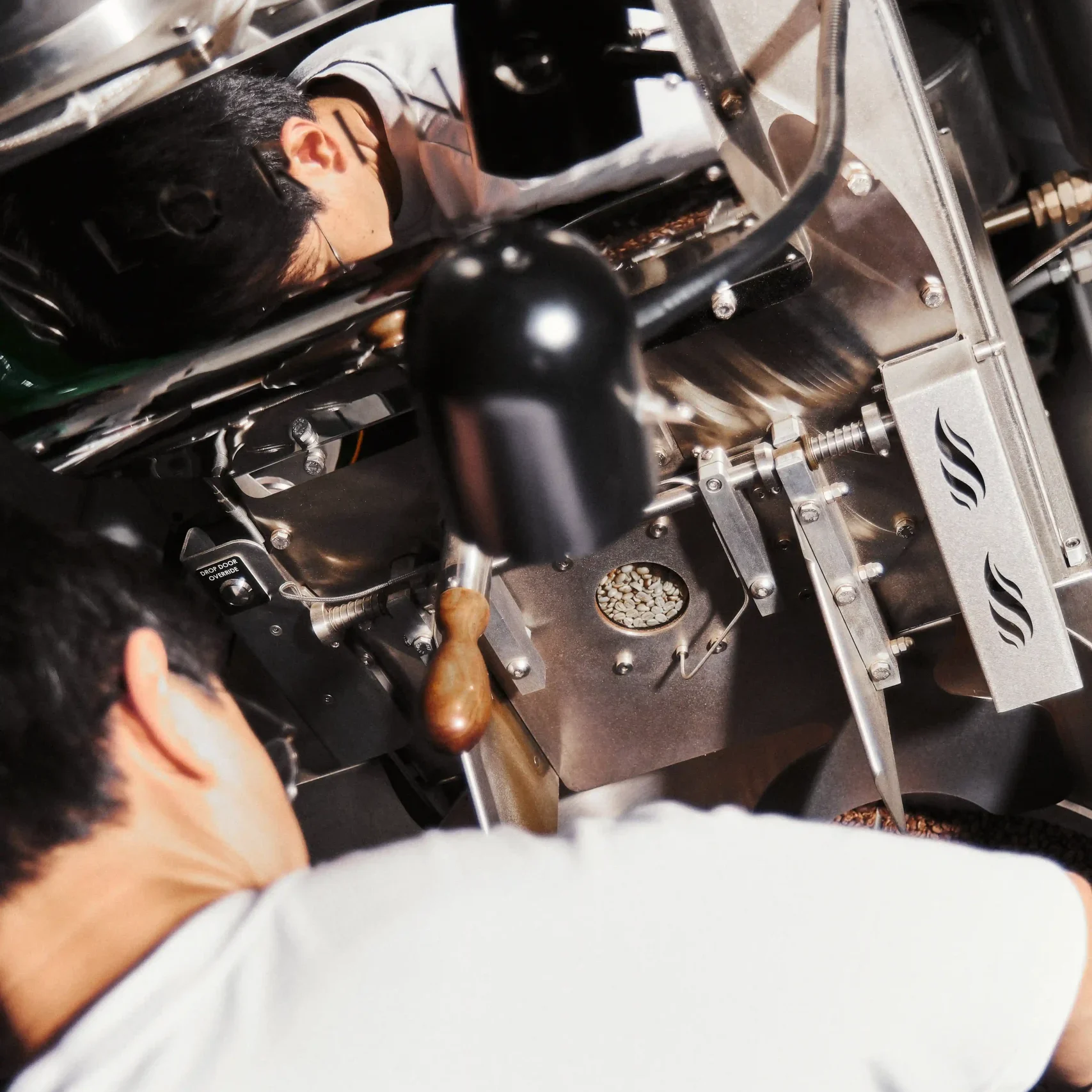
Coffee is an agricultural product. Once roasted, it begins to change over time. That doesn’t mean it instantly becomes stale — in fact, coffee improves in the days following roasting.
When coffee is roasted, it releases gases in a process called degassing. Immediately after roasting, these gases can make brewing difficult and can mute flavour clarity. That’s why most speciality coffee roasters recommend letting coffee rest for around 7–14 days before brewing.
During this resting period, flavours become more balanced and expressive. A bright Ethiopian coffee might develop clearer fruit notes, while a chocolatey Brazilian coffee becomes smoother and more rounded.
The key takeaway is that freshness isn’t about drinking coffee as quickly as possible after roasting. Instead, it’s about enjoying coffee within its optimal flavour window — usually between two and six weeks after roasting, depending on the coffee and how it’s stored.
So rather than constantly chasing the newest bag, the goal is to buy coffee in a way that keeps you consistently within that window.
Whole Bean vs Ground — The Biggest Factor in Freshness
If there’s one factor that has the biggest impact on freshness, it’s whether you buy whole beans or pre-ground coffee.
Whole bean coffee stays fresh significantly longer because the protective outer structure of the bean slows down the release of aromatic compounds. Once coffee is ground, however, its surface area increases dramatically — and flavour begins to fade much more quickly.
In practical terms:
Whole beans can stay vibrant for several weeks when stored properly
Ground coffee begins losing noticeable flavour within days
That doesn’t mean ground coffee is always the wrong choice. For some people, convenience matters most, and good ground coffee can still produce excellent cups if used quickly. We also appreciate grinders cost money and are a luxury item.
However, if freshness and flavour are priorities, grinding your coffee just before brewing makes a significant difference.
You don’t need expensive equipment either, if you do have a little spare cash.. A simple burr grinder is one of the most impactful upgrades you can make to your coffee routine. It gives you control over grind size, improves consistency, and helps every bag of coffee stay fresh for longer.
Another advantage of buying whole beans is flexibility. Because they stay fresh longer, it’s easier to buy larger bags without worrying about flavour dropping off too quickly.
CHECK OUT EQUIPMENT HERE
Typical Consumption Habits
Understanding how much coffee to buy starts with a simple question: how much coffee do you actually drink?
A typical cup of speciality coffee uses around 16–18g of coffee.
That means:
1 cup per day ≈ 110–125g per week
2 cups per day ≈ 220–250g per week
4 cups per day (household or heavy drinker) ≈ 450–500g per week
Your brewing method can also influence how quickly you go through coffee.
For example:
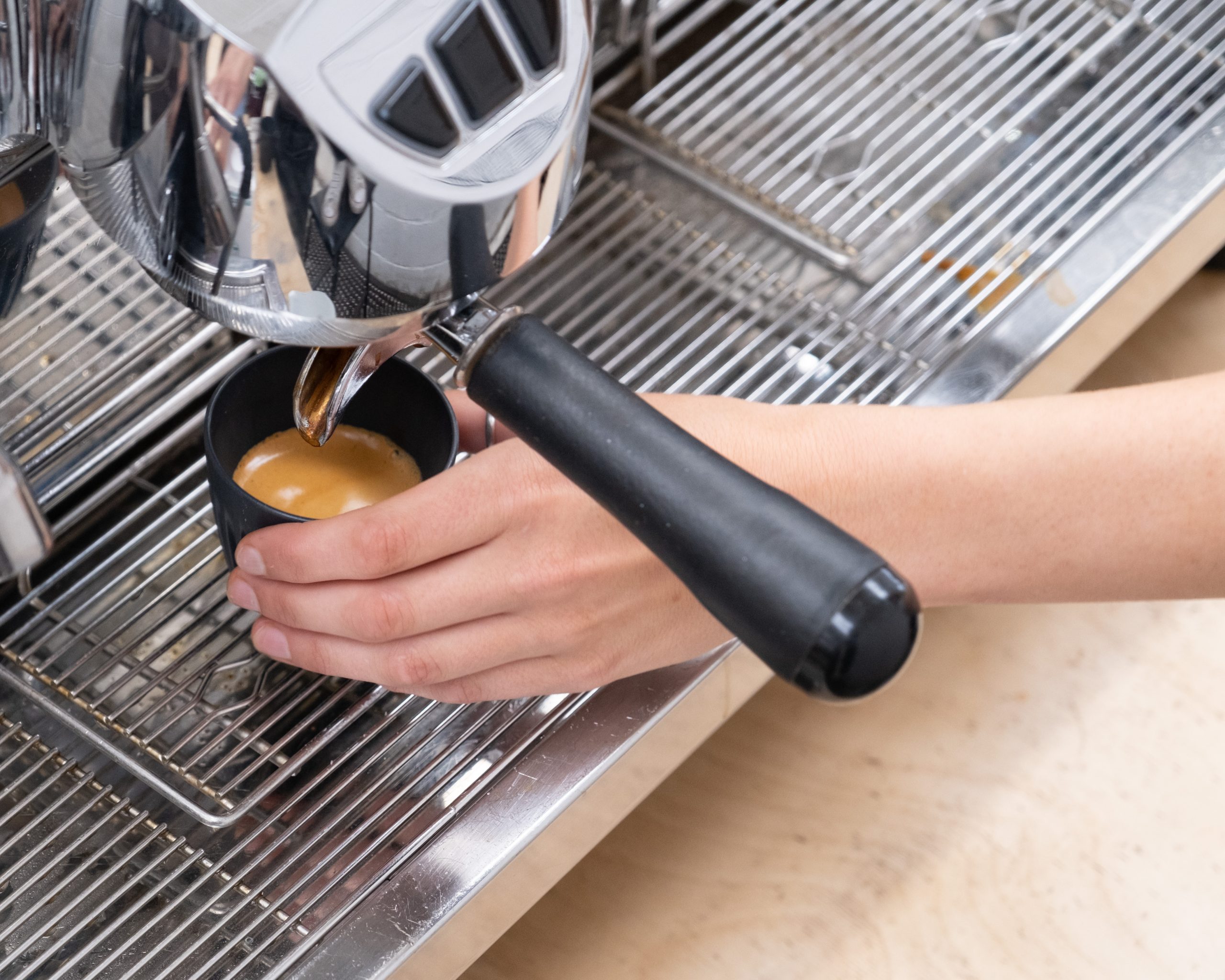
Espresso drinkers often use around 18g per shot
Filter brewers like V60 or AeroPress typically use 16–18g per cup
Brewing for a household with larger filter brews may use 30–60g per brew
Once you know roughly how much coffee you use in a week, it becomes much easier to decide how often you should buy coffee — and whether larger bags or more frequent deliveries make the most sense.

Value vs Variety — Two Different Ways to Buy Coffee
Once you know how much coffee you drink, the next decision is about how you want to experience coffee.
Most coffee buyers fall into one of two camps: value or variety.
Value: Buying Larger Bags
If you enjoy a consistent coffee every day, buying larger bags can make a lot of sense.
Benefits include:
// Better value per gram
// Fewer deliveries
// Less risk of running out
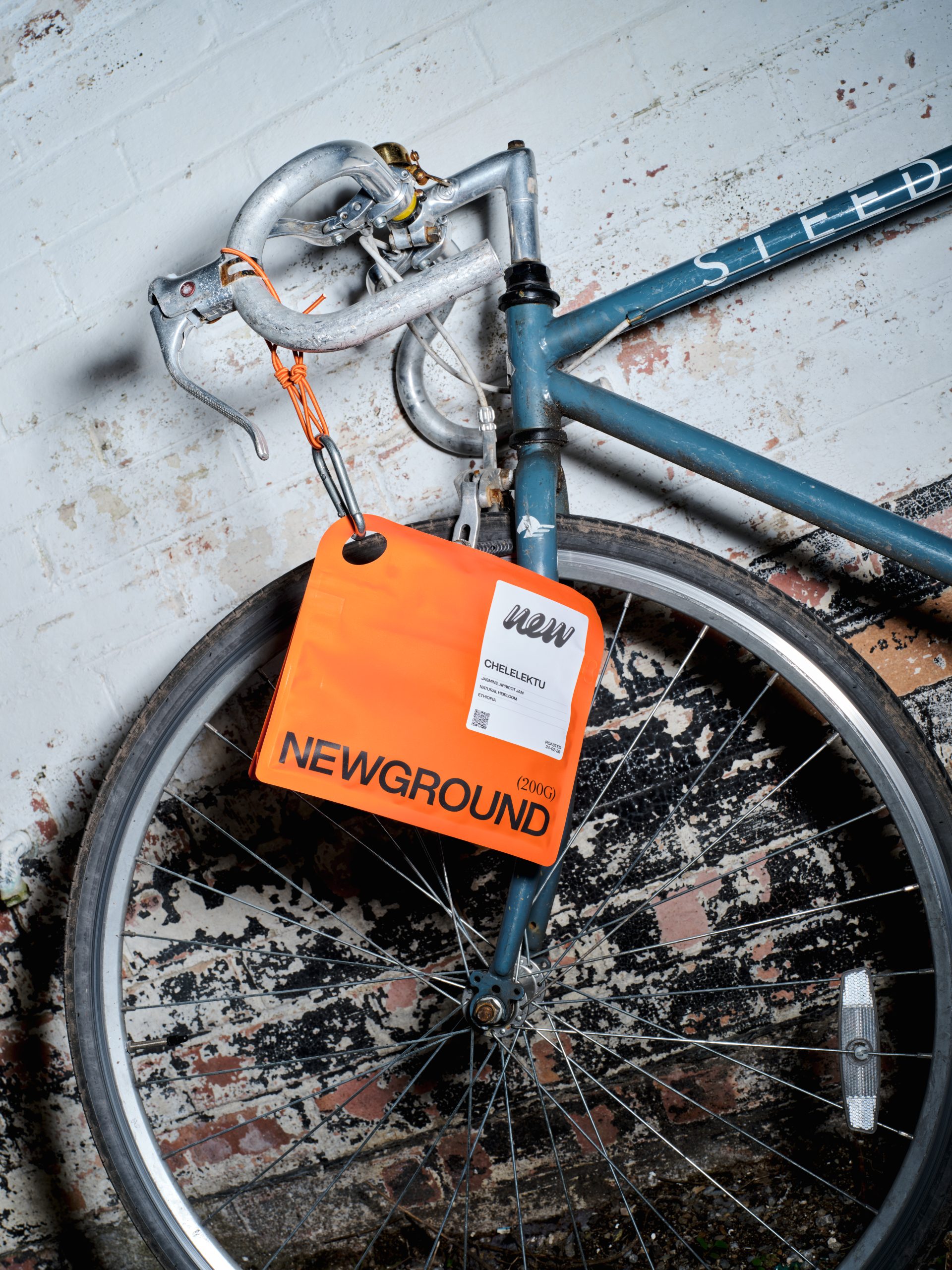
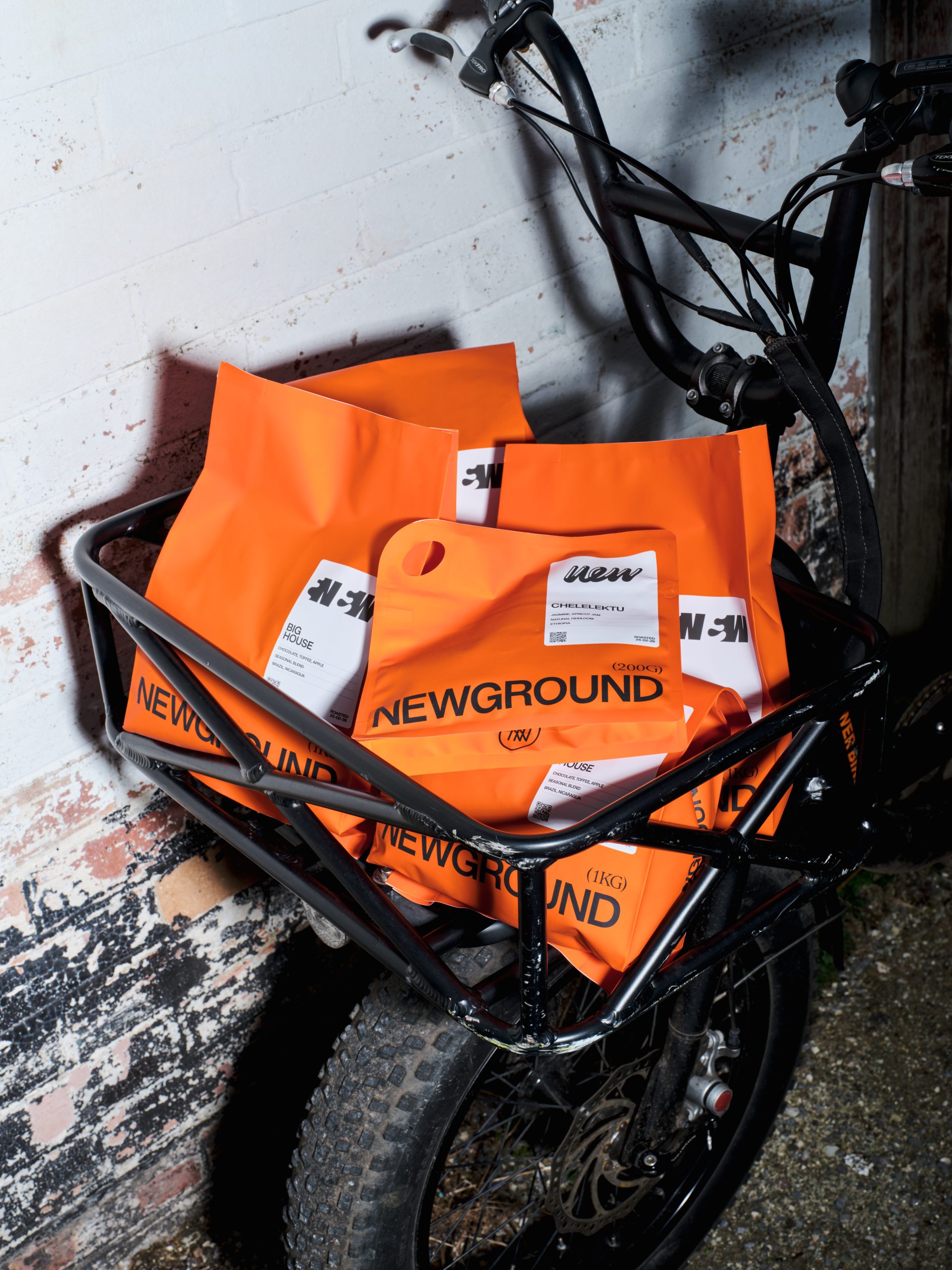
A 1kg bag of whole beans, for example, can stay fresh for months if stored properly in an airtight container, or in the bag with a tight gripper, and consumed steadily.
This approach works particularly well for households, offices, or anyone with a favourite coffee they return to regularly.
Variety: Rotating Different Coffees
For many speciality coffee drinkers, the joy of coffee comes from exploring new flavours.
That might mean trying:
// different origins
// seasonal coffees
// experimental processing methods
In this case, smaller bags offer the opportunity to rotate coffees more frequently and experience a wider range of flavours.
There’s no right or wrong approach — it simply depends on what you enjoy most.
Common Buying Mistakes
Many frustrations with coffee freshness come down to mismatched buying habits.
Some common mistakes include:
// Buying too much coffee without understanding storage
Large bags can be great value, but only if you’re drinking them within a reasonable timeframe.
// Buying ground coffee when freshness matters most
Pre-ground coffee loses flavour quickly, which can make even excellent coffee taste flat.
// Buying too little coffee and constantly running out
This often leads to last-minute supermarket purchases that don’t match the quality you normally enjoy.
The key is aligning your buying habits with your drinking habits.
When those two match, coffee becomes simpler, more consistent, and far more enjoyable.
The Case for Regular Delivery
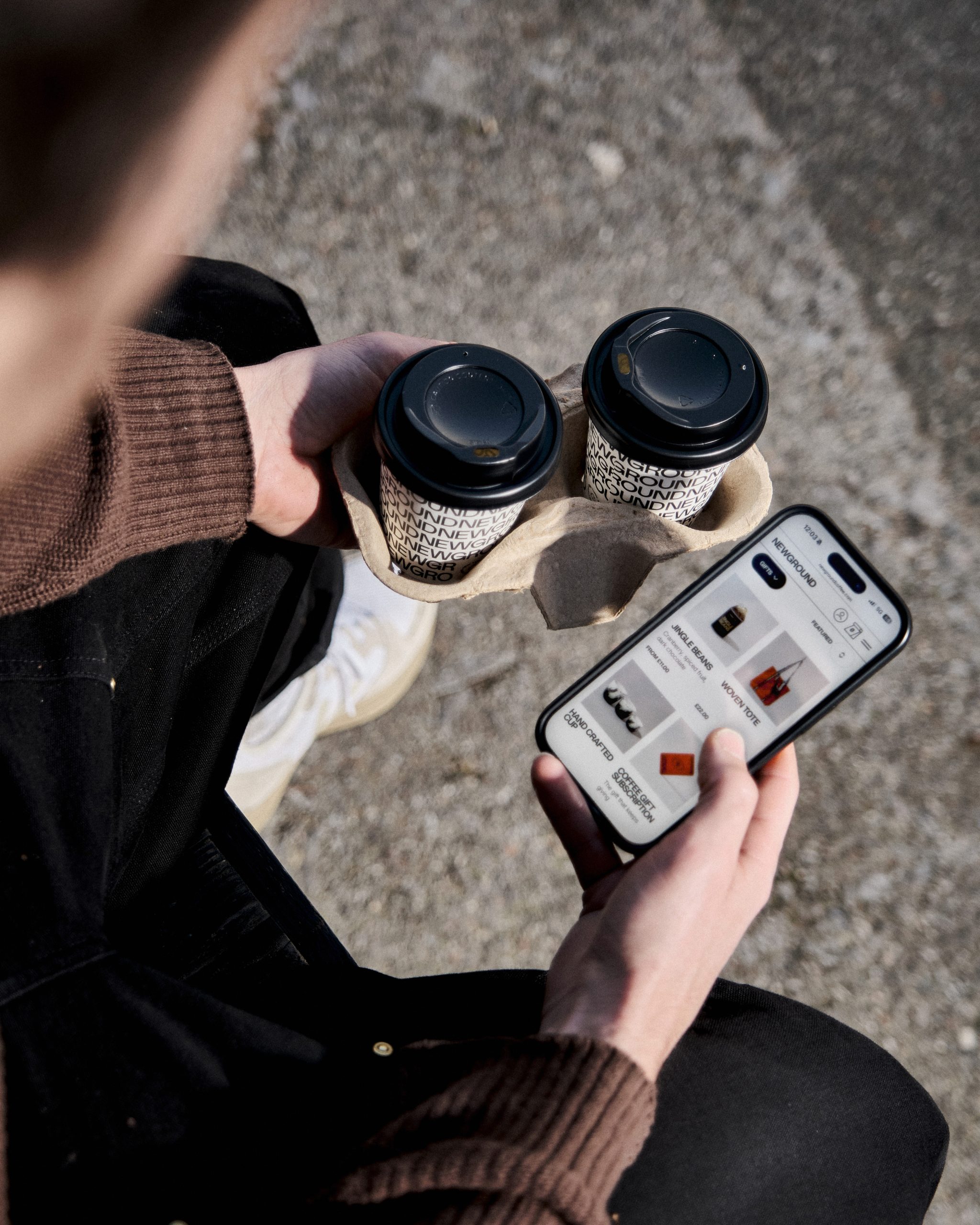
For many people, the easiest way to balance freshness, value, and variety is through regular coffee delivery.
Rather than constantly thinking about when to reorder coffee, subscriptions allow you to receive coffee at the right time, in the right quantity.
Good coffee subscriptions aren’t rigid commitments — they’re simply a way to remove friction from your routine.
They can offer:
// flexible delivery schedules
// the option to rotate coffees
// the ability to pause or change orders
// consistently fresh coffee arriving when you need it
For those who enjoy discovery, rotating coffees can keep things interesting. For those who prefer consistency, regular deliveries ensure your favourite coffee never runs out.
How to Decide Your Ideal Coffee Delivery Schedule
If you’re considering regular coffee delivery, choosing the right schedule depends on your consumption and preferences.
Here are some simple starting points:
// Weekly delivery
Ideal for heavy coffee drinkers or those who enjoy frequent variety.
// Fortnightly delivery
Works well for most households drinking 1–2 cups per day.
// Monthly delivery
Great for whole bean drinkers who buy larger bags and prioritise value.
The good news is that this isn’t something you need to get perfect immediately. Your preferences will naturally evolve as you discover how quickly you go through coffee.
The important thing is creating a rhythm that keeps your coffee fresh, convenient, and enjoyable.
If you’d like help finding the right setup, you can learn more in our Coffee Subscription Guide.
Final Thoughts
Coffee freshness isn’t about strict rules. It’s about understanding how coffee changes over time and buying it in a way that fits your routine.
For some people, that means buying larger bags and enjoying the value of a consistent coffee. For others, it means rotating smaller bags and discovering new flavours more often.
What matters most is finding the balance that keeps your coffee fresh, enjoyable, and easy to manage.
Subscriptions can help with that — not as a commitment, but simply as a way to make sure great coffee is always within reach.
Explore our coffee subscription options and never miss a fresh cup again.
FAQs
// How long does coffee need to rest after roasting?
Most coffees taste best after resting for 7–14 days following roasting. This allows gases to escape and flavours to stabilise.
// How long does whole bean coffee stay fresh?
Whole bean coffee typically tastes best within 2–6 weeks after roasting, although good storage can extend this window significantly.
// Is ground coffee ever a good option?
Yes — ground coffee can still produce great results if used quickly after opening. However, whole beans stay fresh longer and offer better flavour overall.
// How much coffee should I buy each month?
A typical coffee drinker using 2 cups per day will use roughly 500g–1kg of coffee per month.
// Can I change my subscription delivery or coffee choice?
Most coffee subscriptions allow you to adjust delivery frequency, change coffees, or pause deliveries — giving you flexibility as your preferences change.