What Makes Coffee ‘High Performance’?
Coffee has become part of everyday life for millions of people. But not all coffee is created equal. While some cups simply deliver caffeine, others offer something far more compelling: clarity of flavour, balance, freshness, and a brewing experience that consistently delivers great results.
This is what we mean when we talk about high performance coffee.
At its best, coffee is an agricultural product treated with the same care and attention as fine wine or craft beer. From sourcing the beans to roasting, packaging, and brewing, every step plays a role in unlocking the coffee’s full potential.
In this guide, we’ll explore what makes coffee high performance, why premium coffee commands a higher price, and how you can enjoy exceptional coffee at home every day.
Defining High Performance Coffee
When we talk about high performance coffee, we’re not just talking about caffeine strength or intensity. Instead, high performance refers to coffee that consistently delivers the best possible flavour and experience in the cup.
There are four key qualities that define high performance coffee:
Clarity
High-quality coffee allows individual flavours to shine through. You might taste notes of citrus, chocolate, berries, or caramel depending on the origin and processing.
Balance
Great coffee isn’t dominated by one flavour. Acidity, sweetness, and body work together harmoniously.
Freshness
Freshly roasted coffee retains the delicate aromatic compounds that make coffee exciting and vibrant.
Consistency
High performance coffee performs well across brewing methods, producing a reliable and enjoyable cup every time.
This is why speciality coffee focuses on quality at every stage. When everything is done well — from farm to cup — coffee becomes more than a morning routine. It becomes an experience.
From Bean to Cup – Sourcing Matters
Great coffee begins long before it reaches your kitchen. The quality of a cup of coffee is shaped by where and how it is grown.
Coffee is typically grown in tropical regions known as the coffee belt, where altitude, climate, and soil conditions influence flavour.
Several factors affect the quality of coffee at origin:
Origin and terroir
Just like wine, coffee reflects the environment in which it’s grown. Ethiopian coffees often showcase floral and fruit-forward notes, while Brazilian coffees tend to be chocolatey and nutty.
Varietal
Different coffee varieties produce different flavour profiles, body, and sweetness.
Processing methods
The way coffee is processed after harvesting — washed, natural, or experimental fermentation methods — can dramatically shape flavour.
High performance coffee usually comes from smaller farms and carefully managed lots, rather than large-scale commodity production. This allows farmers and roasters to focus on quality rather than sheer volume.
At NewGround, we work with trusted producers around the world who share the same commitment to quality and sustainability. These long-term relationships ensure traceability, transparency, and fairer outcomes for farming communities.
Seasonality also plays an important role. Coffee harvests change throughout the year, which is why speciality roasters often rotate coffees to showcase beans at their best.

The Role of Freshness
Freshness is one of the most important factors in achieving high performance coffee at home.
Once coffee is roasted, it begins to release gases and aromatic compounds in a process called degassing. Immediately after roasting, coffee needs time to rest so flavours can stabilise.
Most coffees taste best between 2 and 6 weeks after roasting, though this can vary depending on the roast profile and brewing method.
Beyond the roast date, several factors influence freshness:
Storage
If you take the coffee out of the bag, it should be stored in an airtight container, away from light and heat.
Whole bean vs ground
Whole beans retain their freshness significantly longer. Once coffee is ground, flavour compounds begin to dissipate rapidly.
Packaging
High-quality coffee packaging protects beans from oxygen and moisture, extending the coffee’s optimal flavour window.
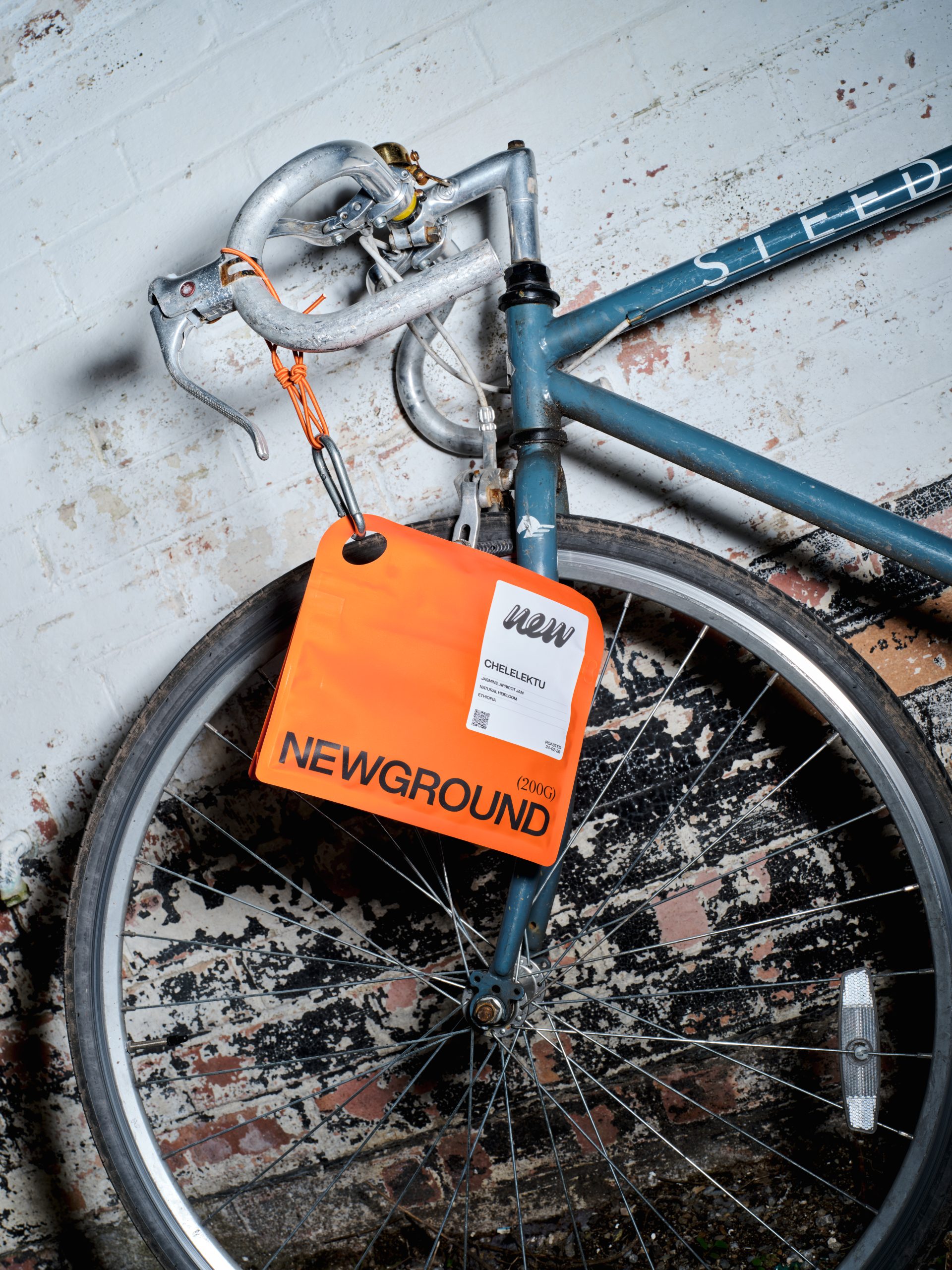
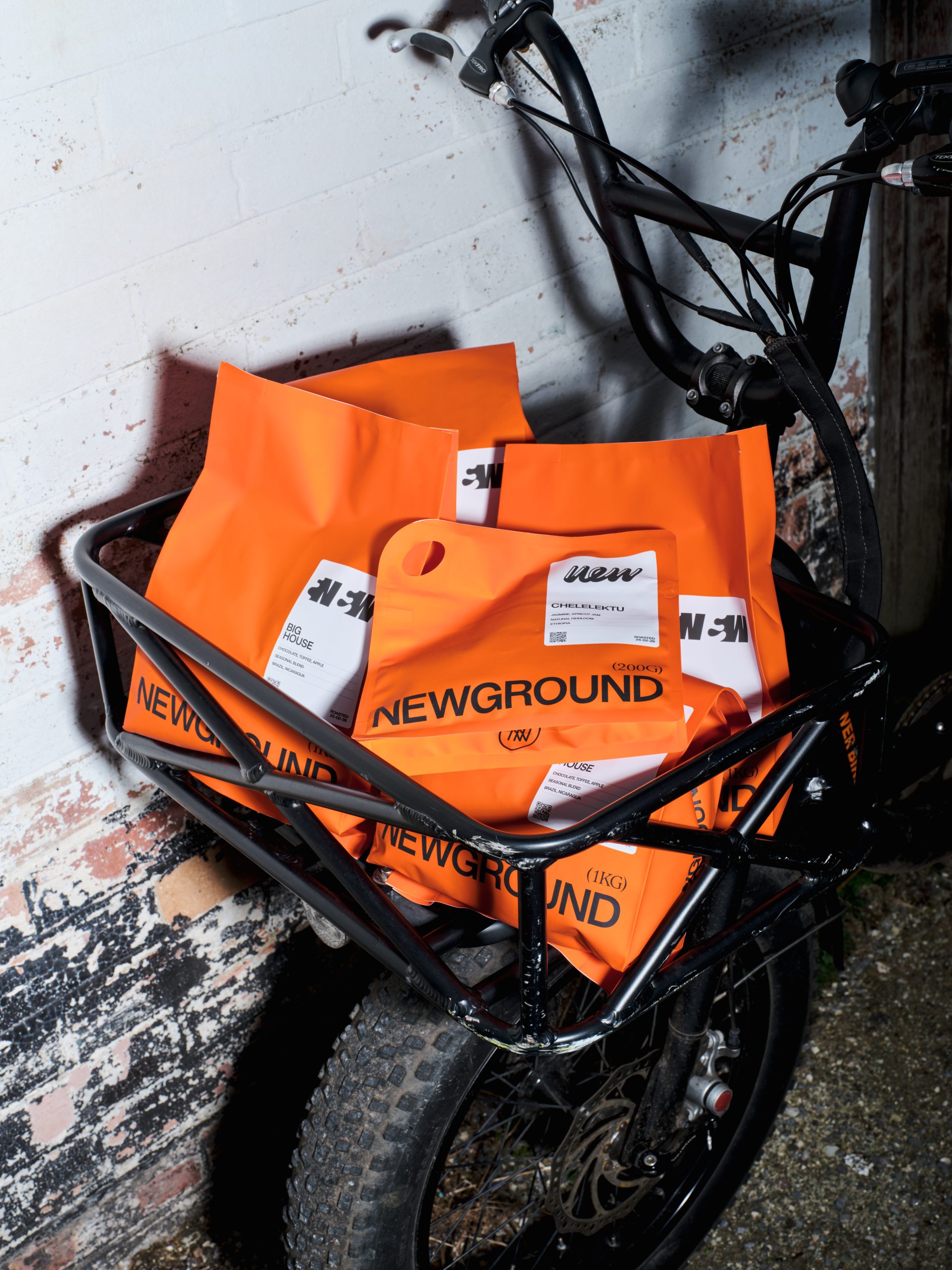
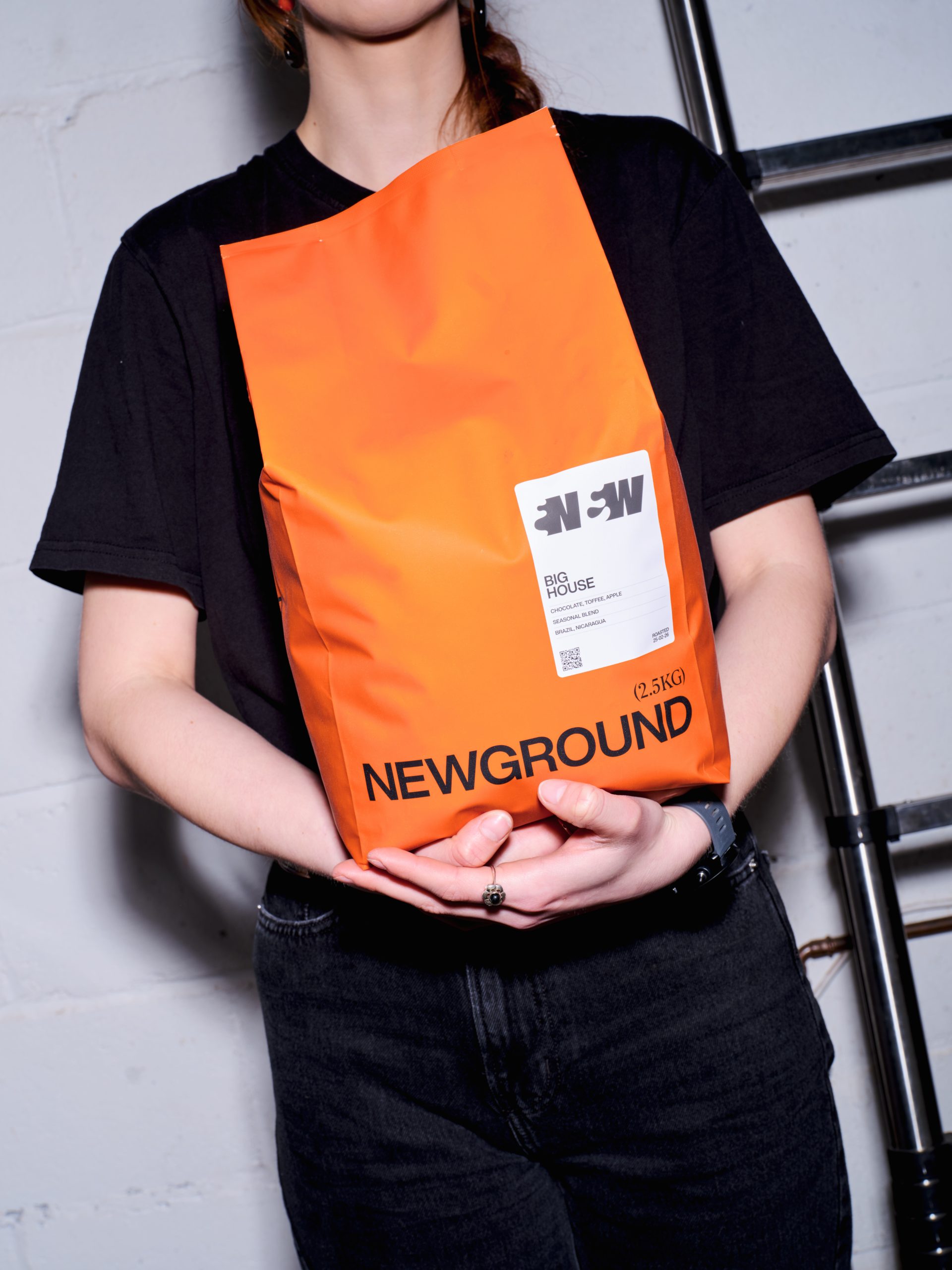
At NewGround, our newly designed coffee bags are fully recyclable and made using recycled materials, while also protecting the beans from light and oxygen. This ensures your coffee stays fresher for longer without compromising sustainability.
Freshness is also why many coffee drinkers choose regular delivery. Receiving freshly roasted coffee at the right time helps maintain consistent quality without needing to constantly reorder.
Roast and Profile
Roasting is where green coffee beans are transformed into something we can brew and enjoy. It’s also where a roaster’s skill has the greatest influence on how that coffee performs in the cup.
At NewGround, we take an omni-roast approach. That means we roast our coffees to a profile designed to perform beautifully across multiple brewing methods — whether you’re making espresso, filter coffee, French press, or using a home coffee machine.
Rather than roasting darker to create intensity, we focus on developing the natural character of the coffee itself. This allows the flavours shaped at origin — by the farm, varietal, and processing method — to come through clearly.
Dark roasting can mask those characteristics, often producing bitterness or heavy roast flavours that overwhelm the coffee’s natural profile. Instead, our roasting style aims for balance, sweetness, and clarity, creating coffees that are expressive without being overpowering.
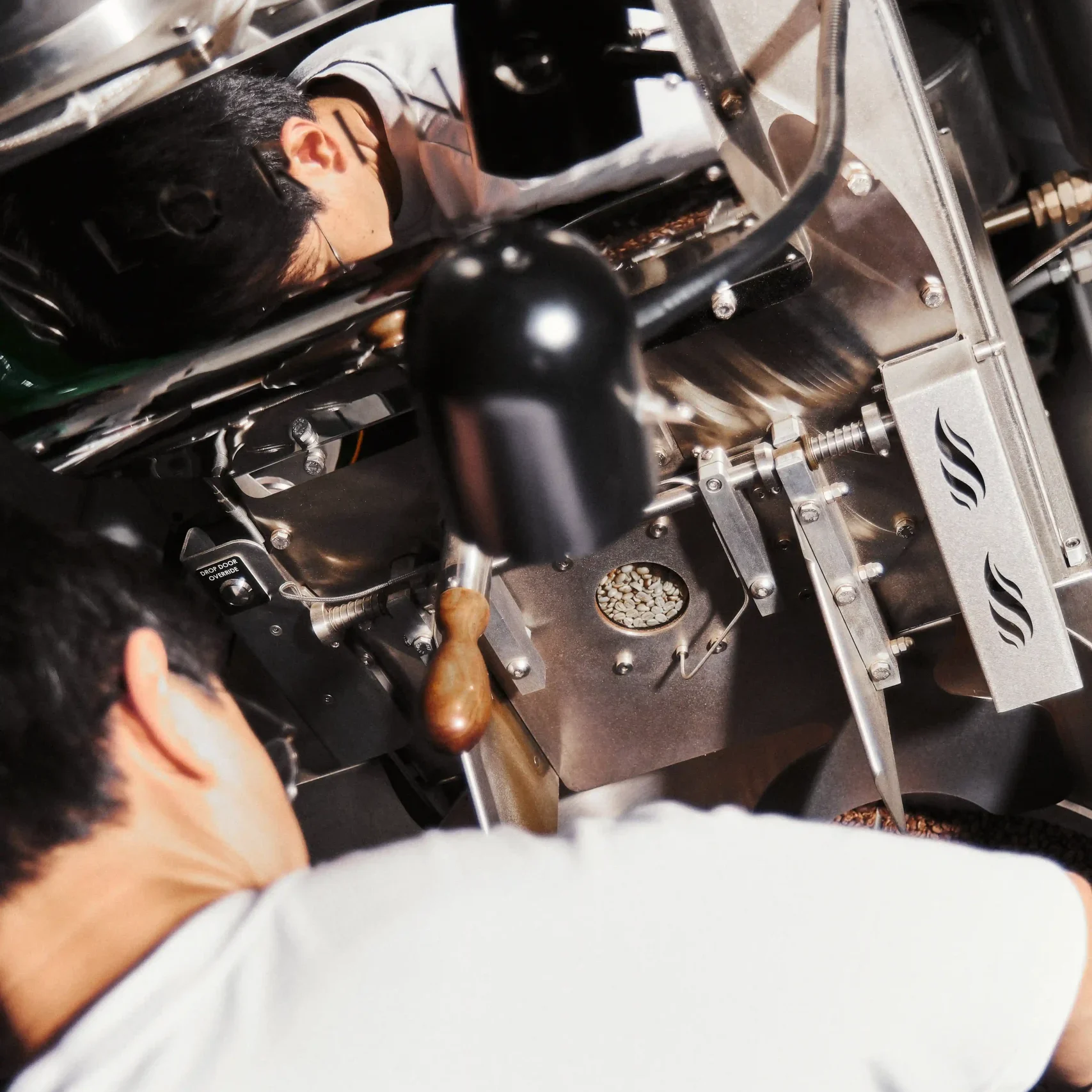
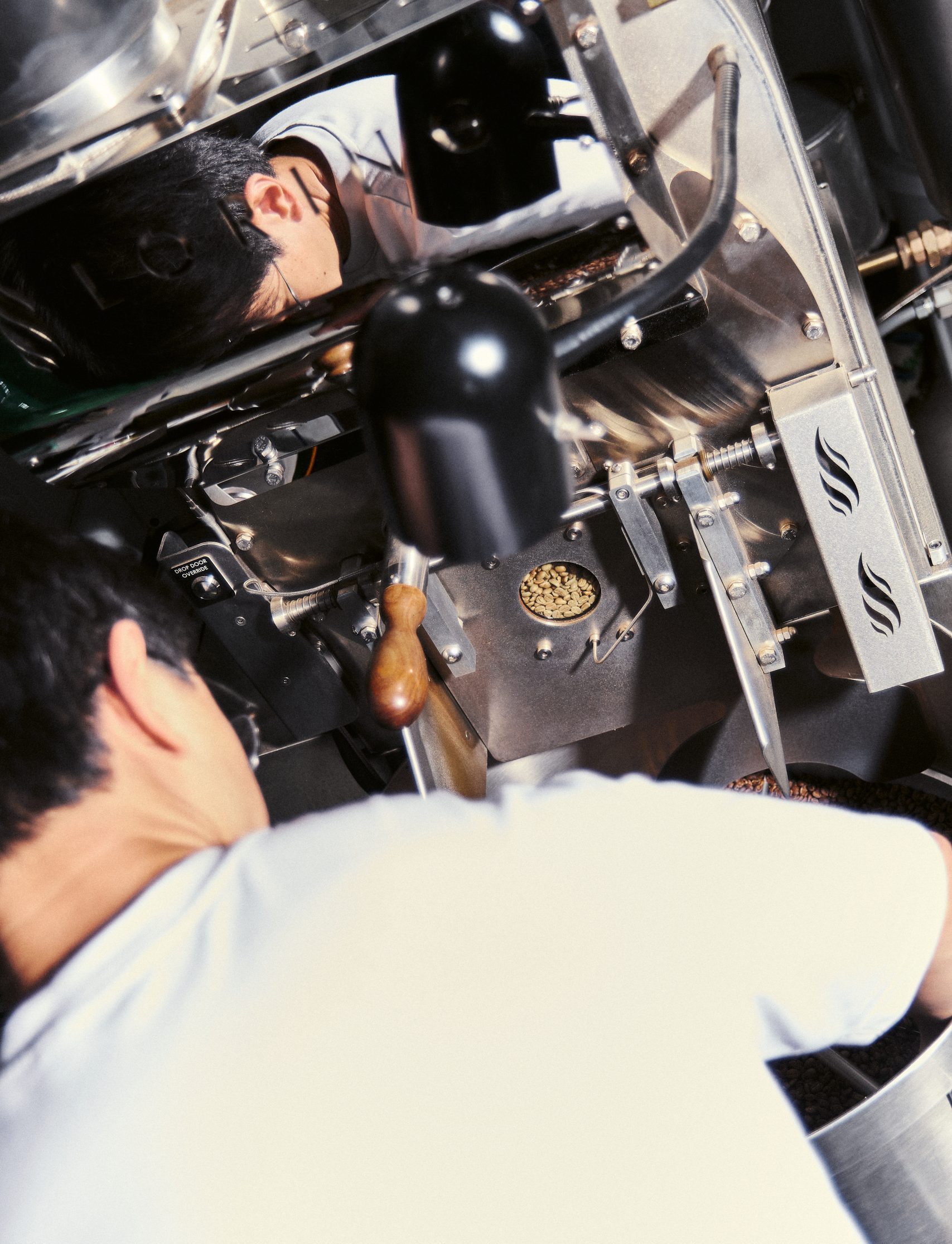
To achieve this, we roast using a Loring roaster, one of the most advanced and environmentally efficient roasting systems available. Loring technology gives us precise control over airflow and temperature, allowing us to carefully develop each coffee while dramatically reducing energy use and emissions.
The result is coffee that performs consistently well across brewing methods — giving you flexibility at home without compromising flavour.
For us, high performance roasting is about unlocking the best qualities of each coffee, not hiding them behind roast intensity.
Brewing for Performance
Even the highest quality coffee can underperform if it’s brewed poorly. Fortunately, a few simple adjustments can dramatically improve your results at home.
Popular brewing methods for speciality coffee include:
Pour-over (we love an Orea Brewer)
A clean and expressive method that highlights clarity and flavour complexity.
Filter coffee machines
Great for brewing larger quantities with consistent results.
French press
Produces a rich, full-bodied cup with plenty of texture.
Espresso
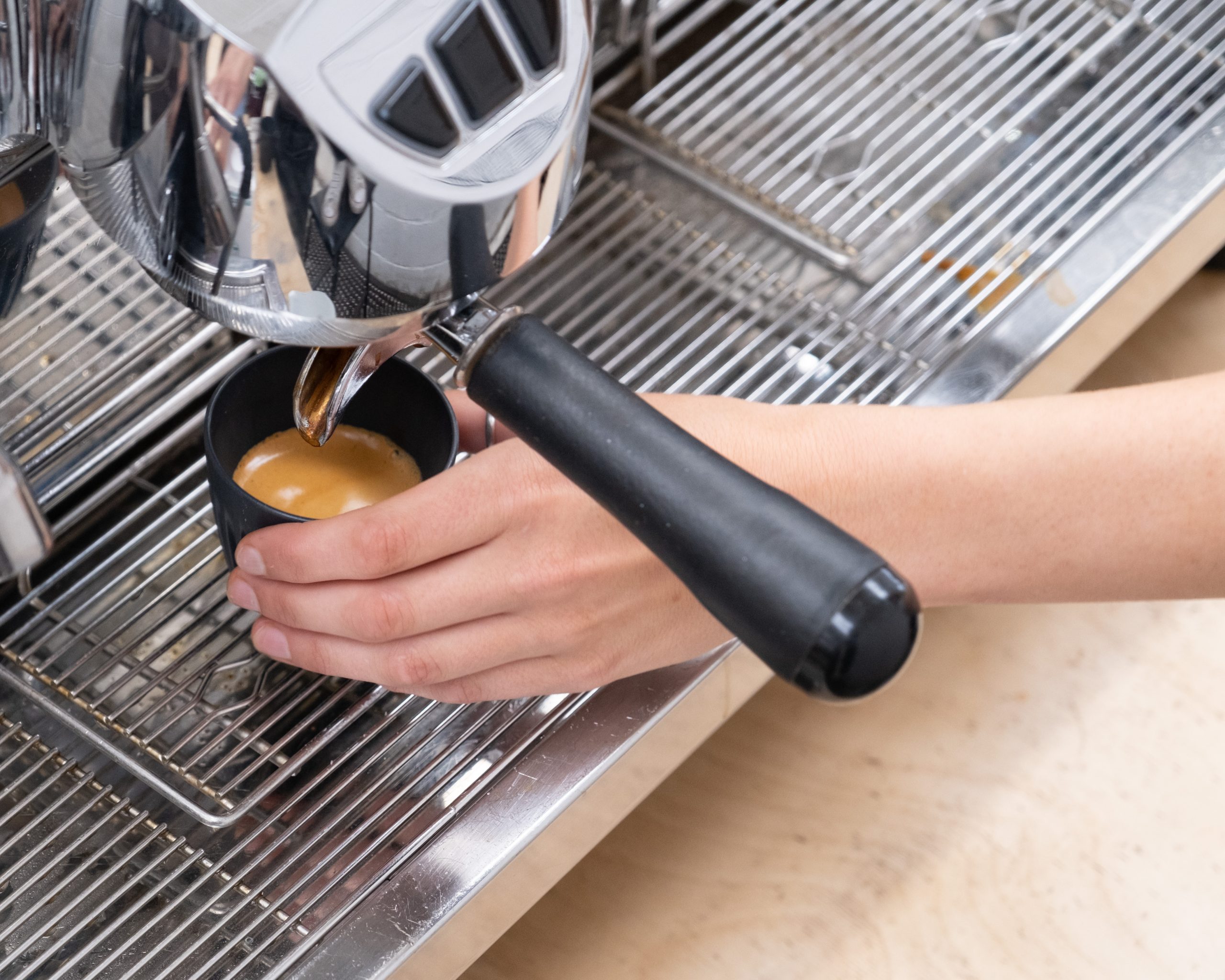
Concentrated and intense, ideal for milk drinks or straight shots.
A versatile and forgiving brewer that can produce everything from bright filter-style cups to more concentrated brews similar to espresso. Its short brew time and pressure help create a clean, balanced cup while still allowing plenty of room to experiment.
To get the most out of your coffee, pay attention to three key variables:
Grind size
Different brewing methods require different grind sizes to extract flavour properly.
Water temperature
The ideal range is typically 92–96°C.
Brewing ratio
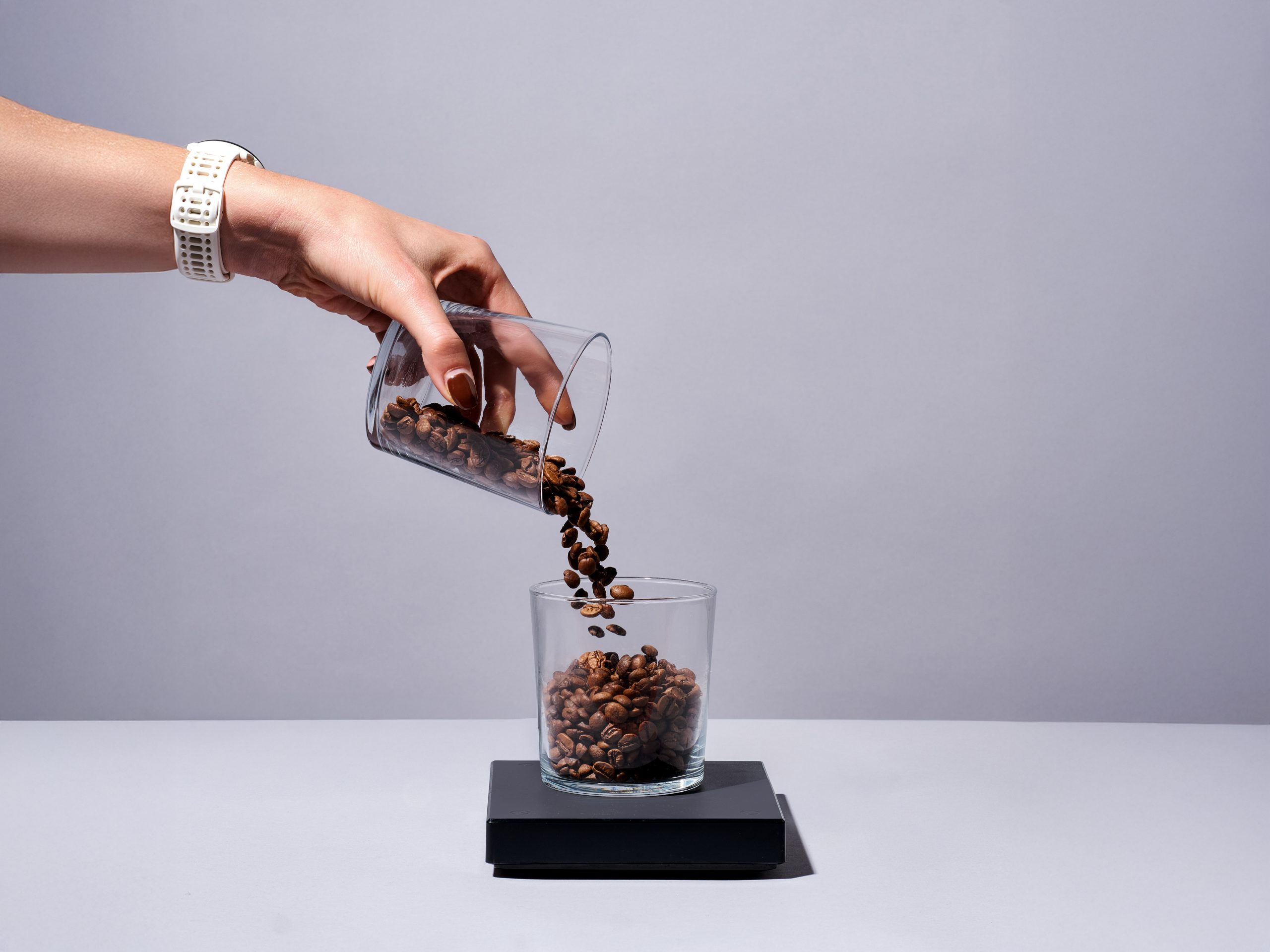
A common starting point is around 16–18 grams of coffee per cup.
Small adjustments in these variables can unlock dramatically better flavour.
CHECK OUT BREW GUIDES HERE
Why Premium Coffee Costs More
One of the most common questions in speciality coffee is: why does premium coffee cost more?
The answer lies in how that coffee is produced.
High quality coffee requires:
//careful harvesting
//selective processing
//smaller production lots
//skilled roasting
//better packaging
Farmers producing speciality-grade coffee also receive higher prices for their beans, reflecting the extra care and labour involved.
At NewGround, we believe paying fairly for coffee is essential to building sustainable supply chains. Investing in quality at origin helps farmers continue producing exceptional coffee year after year.
Beyond sourcing, premium coffee brands also invest in responsible business practices. For example, NewGround is proud to be a Living Wage employer, ensuring our team is paid fairly for their work.
When you buy premium coffee, you’re not just paying for flavour. You’re supporting a supply chain that values quality, transparency, and people.
How NewGround Makes High Performance Accessible
High performance coffee shouldn’t feel complicated or exclusive. It should simply be easy to enjoy great coffee every day.
That’s why we focus on making premium coffee accessible in a few key ways.
Our range includes carefully selected coffees suited to different brewing methods and taste preferences — from chocolatey everyday blends to more adventurous single origins.
Our packaging keeps coffee fresh while reducing environmental impact through recyclable, recycled materials.
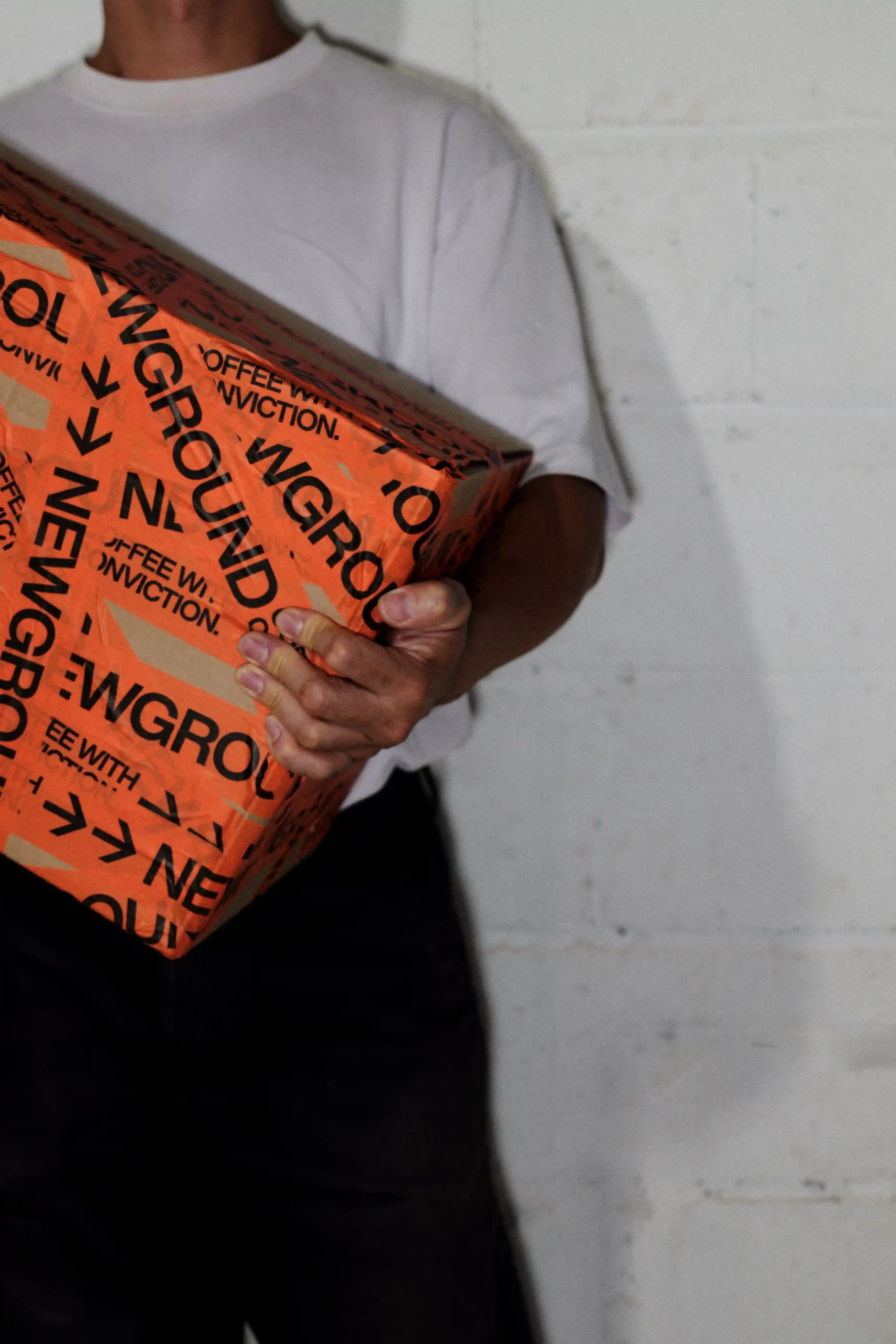
And for those who want a consistent supply of fresh coffee, subscriptions offer a practical solution.
Regular deliveries ensure your coffee arrives when it’s ready to be enjoyed, removing the risk of running out or relying on stale supermarket beans. Flexible options also allow you to explore different coffees while maintaining freshness.
In short, it’s about combining quality, convenience, and consistency.
Final Thoughts
High performance coffee isn’t about complexity or exclusivity. It’s about the combination of quality sourcing, careful roasting, freshness, and thoughtful brewing.
When all these elements come together, coffee becomes more than just a drink. It becomes something worth slowing down and enjoying.
Whether you’re exploring speciality coffee for the first time or refining your home brewing routine, the most important thing is curiosity. Try different coffees, experiment with brewing methods, and discover what flavours you enjoy most.
And if you want to ensure great coffee is always within reach, regular delivery can make that process effortless.
Explore our high performance coffees and never compromise on your daily brew.
FAQs
// What makes coffee “high performance”?
High performance coffee combines high quality beans, careful roasting, freshness, and proper brewing techniques to deliver exceptional flavour and consistency.
// How long does coffee stay fresh after roasting?
Most coffees taste best between 1 and 4 weeks after roasting, depending on storage and grind.
// Why are some coffees more expensive than others?
Premium coffee often involves better sourcing, smaller production lots, higher payments to farmers, and more precise roasting.
// Which brewing methods are best for premium coffee?
Pour-over, filter coffee, French press, and espresso can all produce excellent results when brewed correctly.
// Can subscriptions help maintain coffee quality at home?
Yes. Subscriptions ensure coffee arrives regularly and fresh, helping you maintain consistency without needing to constantly reorder.